







Hot Keywords: TFT LCD Display Monochrome LCD LED Display COB Module COG Module IPS TFT LCD

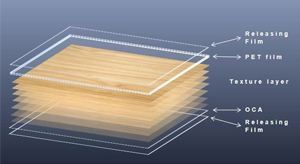
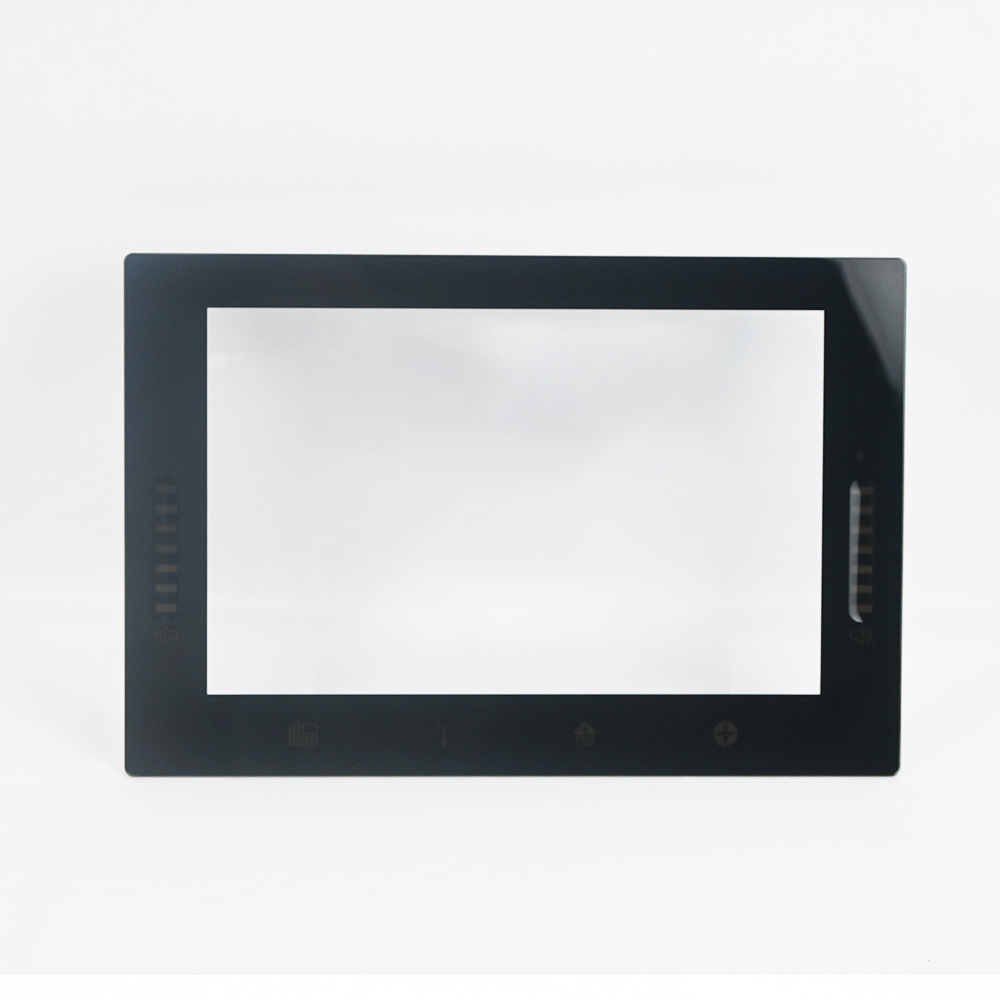
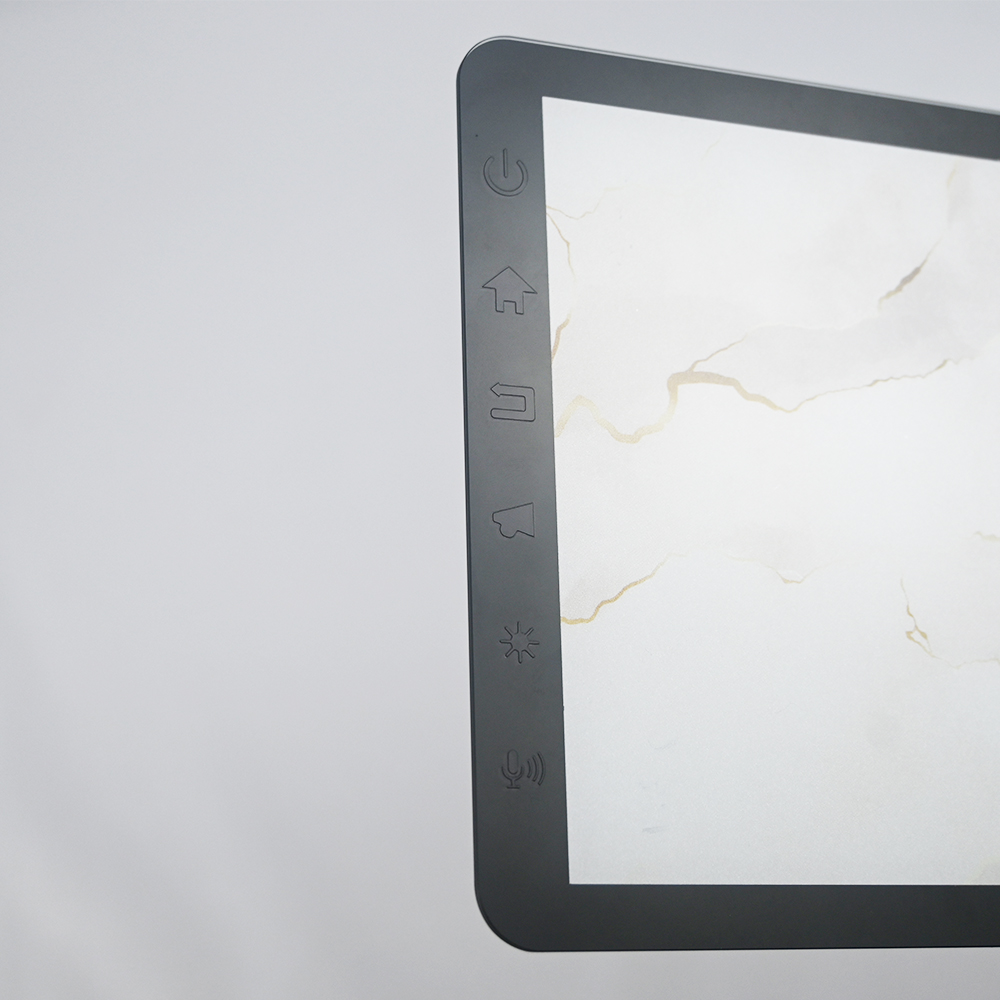
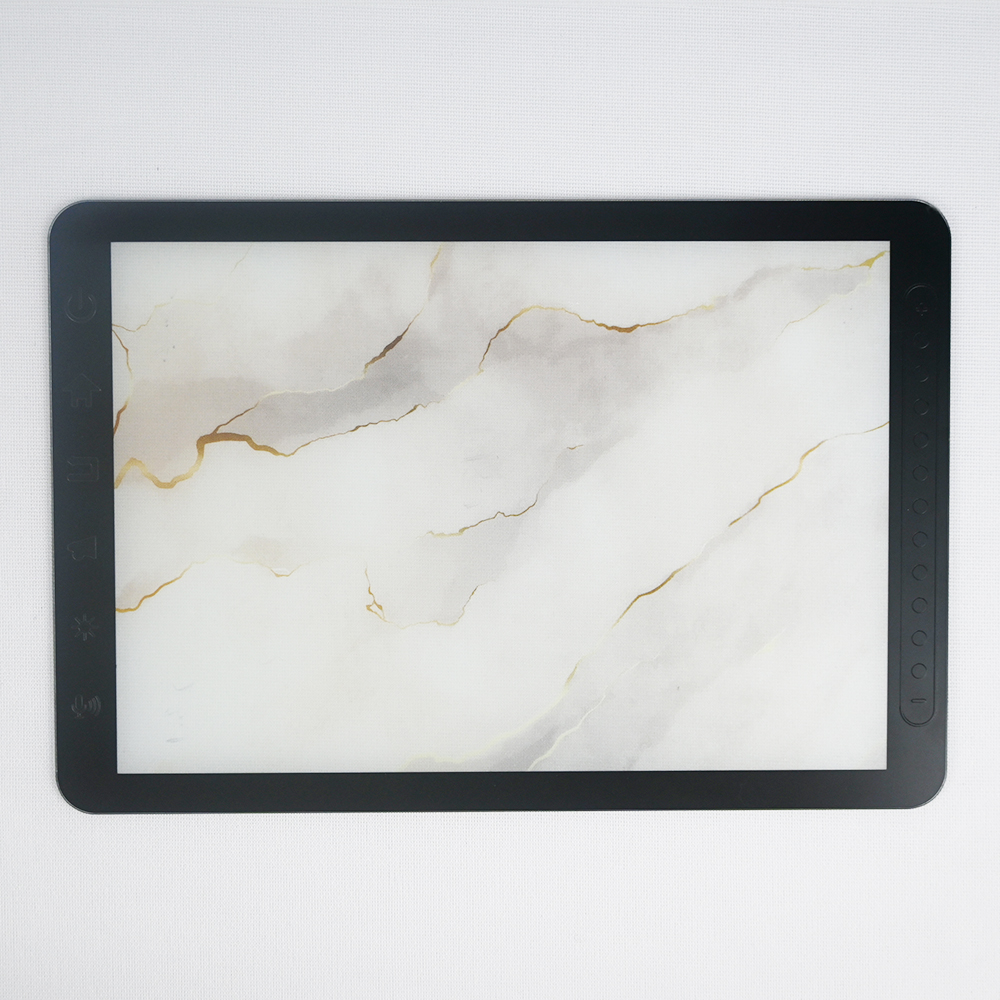
Cover Glass Surface
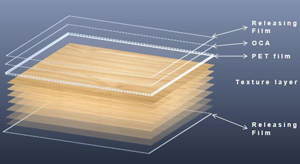
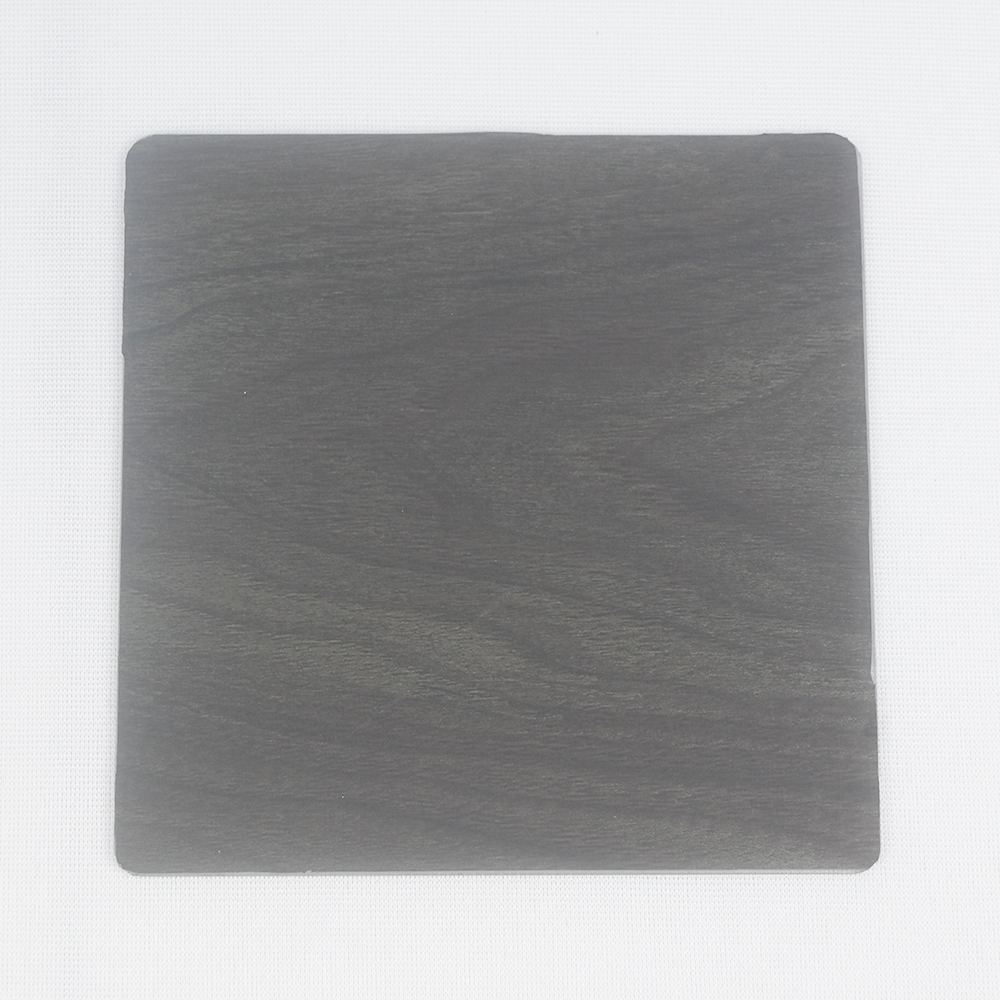
Cover Glass Back Surface
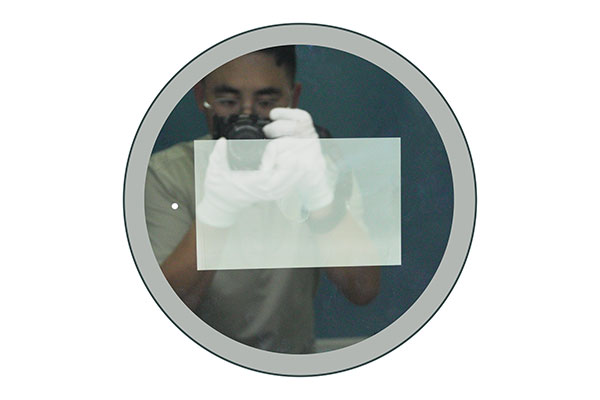
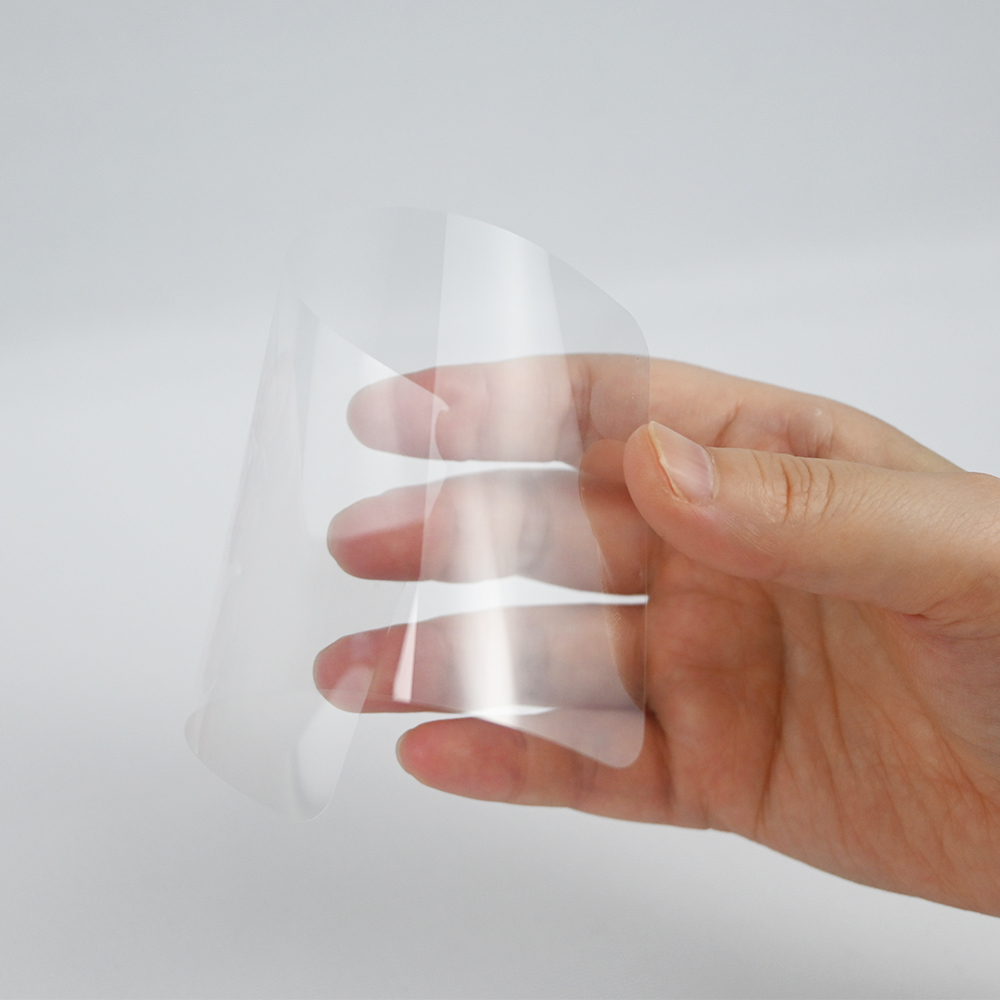
A wood-grain hidden display that appears as premium wood décor when off and reveals a clear screen when activated.
The texture layer is formed through 5–12 layers of precision screen printing, with transmittance customized according to project requirements.
When off, it presents a natural wood texture and blends seamlessly into the surrounding space.
Light transmittance(Tr)can be customized from 25% to 85% based on actual project requirements.
Surface texture, light transmittance, and thickness can be custom-developed to meet specific project requirements.
Excellent resistance to heat, cold, humidity, and thermal shock.
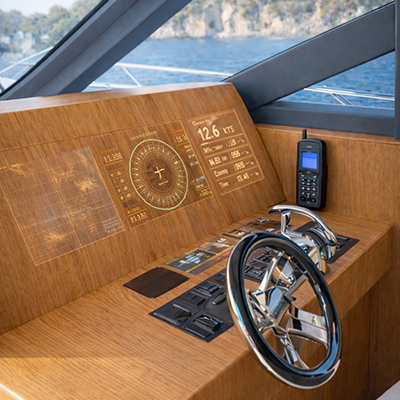
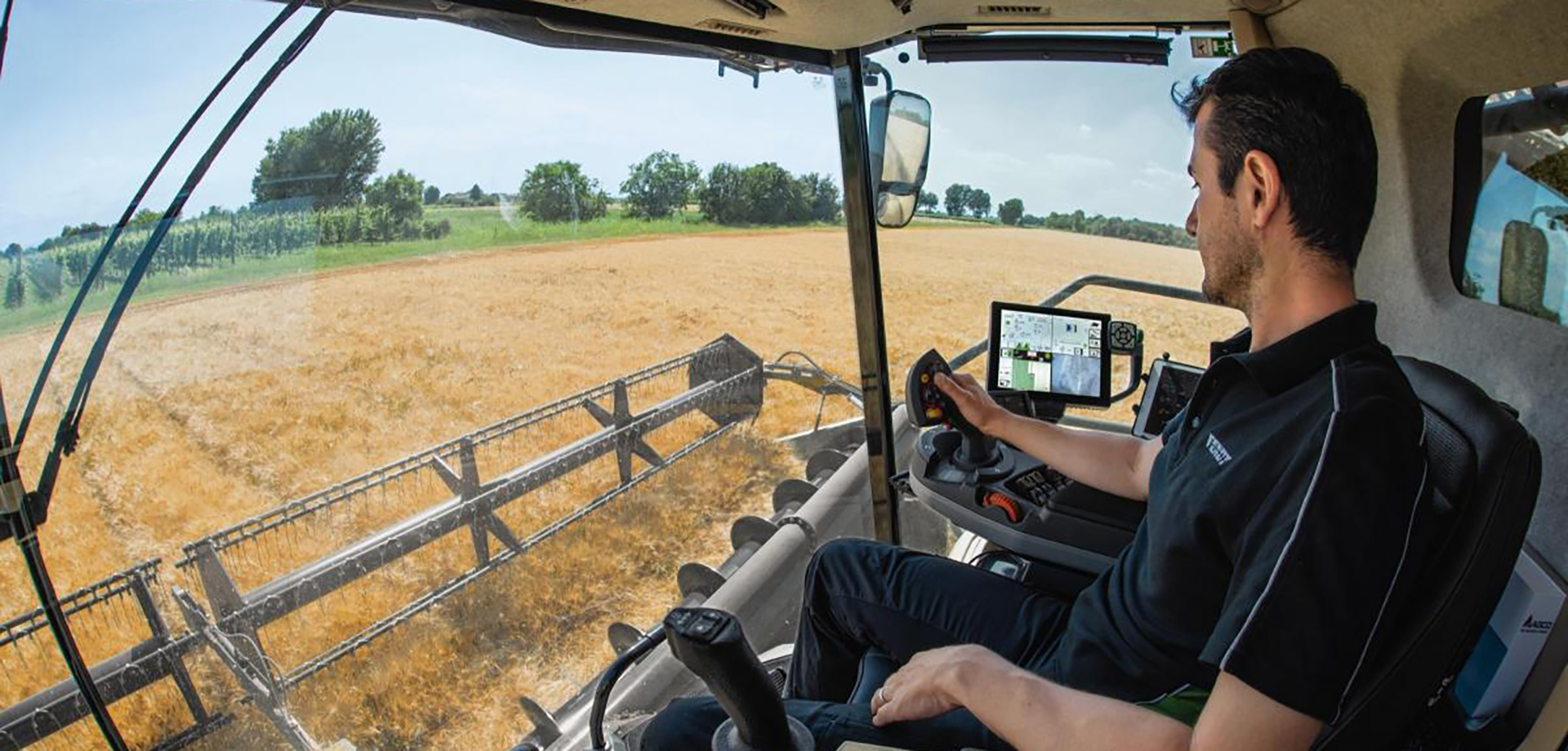
Helm Display, Navigation Display, Cabin Control Panel, Lighting Control Panel, Climate Control Panel, Entertainment Interface
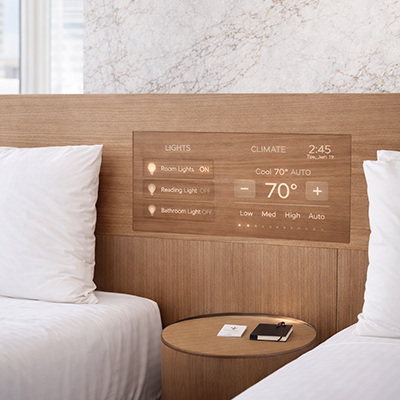
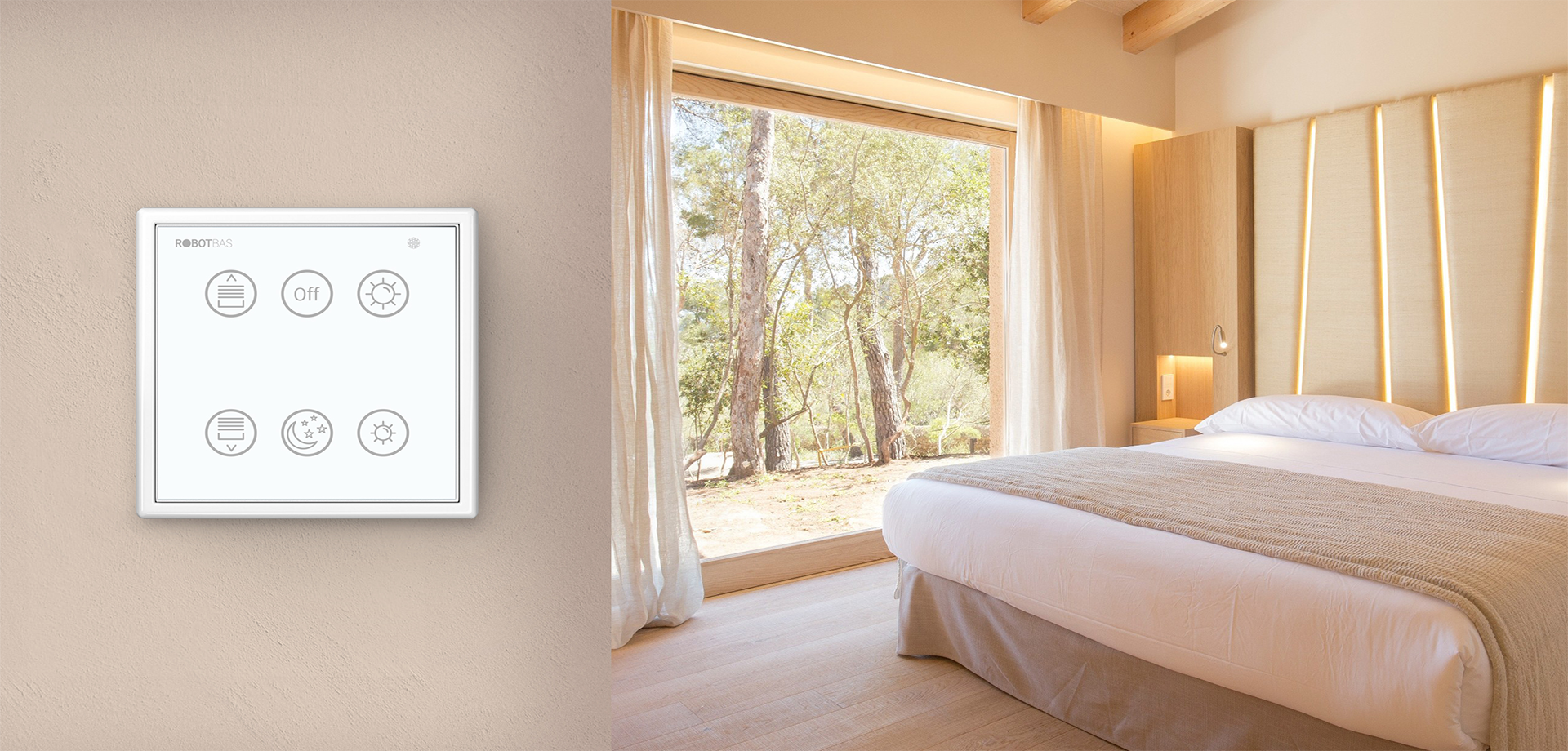
Bedside Control Panel, Lighting Control Panel, Climate Control Panel, Curtain Control Panel, Room Service Interface, Smart Mirror Display, Door Sign Display
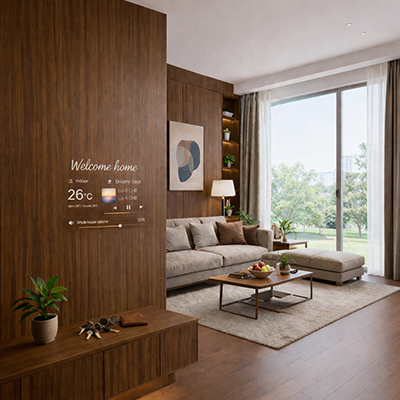
Wall-Mounted Touch Panel, Lighting Control Panel, Climate Control Panel, Curtain Control Panel, Smart Appliance Interface, Security Control Panel, Smart Display
| Wood Grain Film | Transmittance | 25% | 30% | 35% | 40% | 45% | 50% | 55% | 60% | 65% | 70% | 75% | 80% | 85% |
|---|---|---|---|---|---|---|---|---|---|---|---|---|---|---|
| Display Module | Brightness | 2000 | 1800 | 1600 | 1400 | 1200 | 1000 | 1000 | 800 | 800 | 800 | 800 | 600 | 600 |
| Display Quality | Effect | OK | OK | OK | OK | OK | OK | OK | OK | OK | OK | OK | OK | OK |
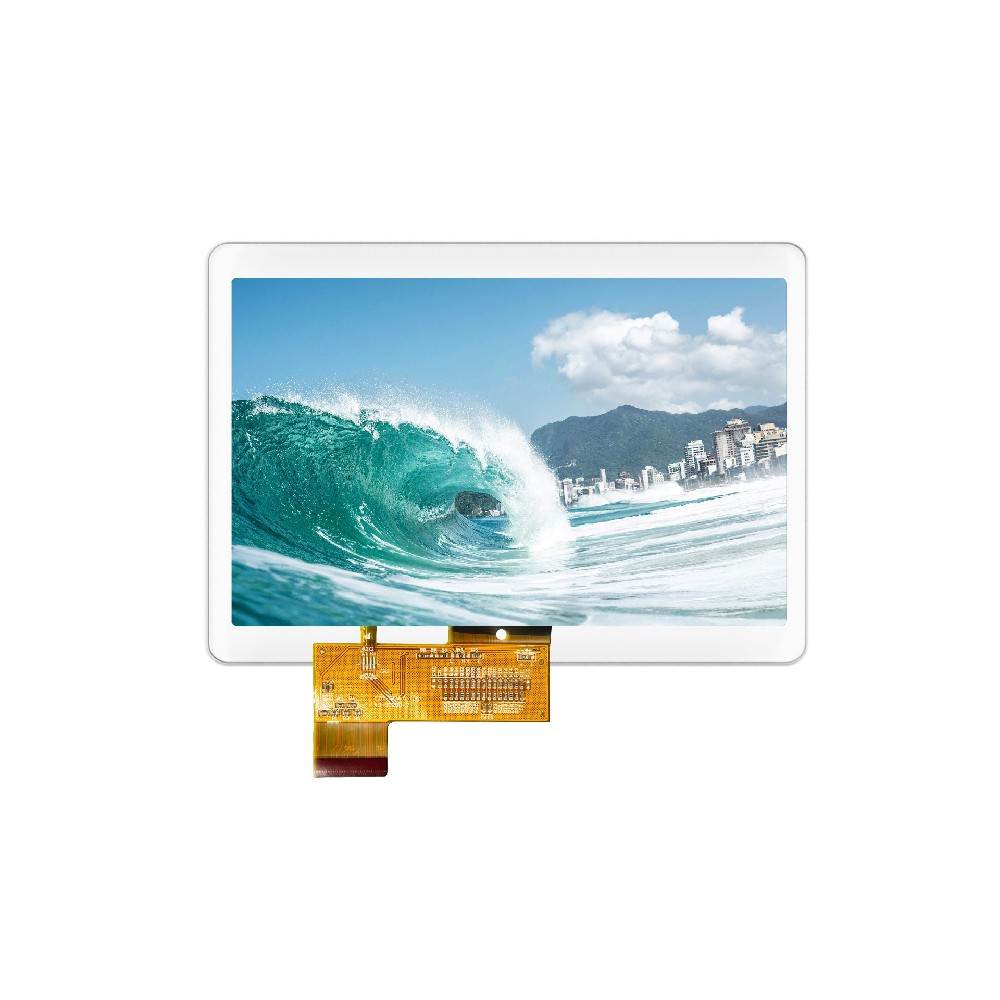
customizable liquid crystal display modules with e···
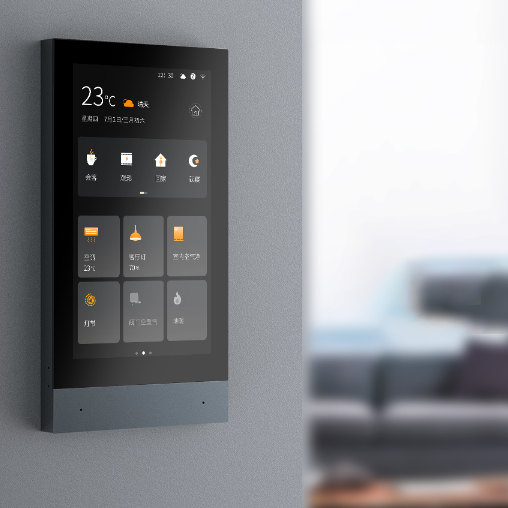
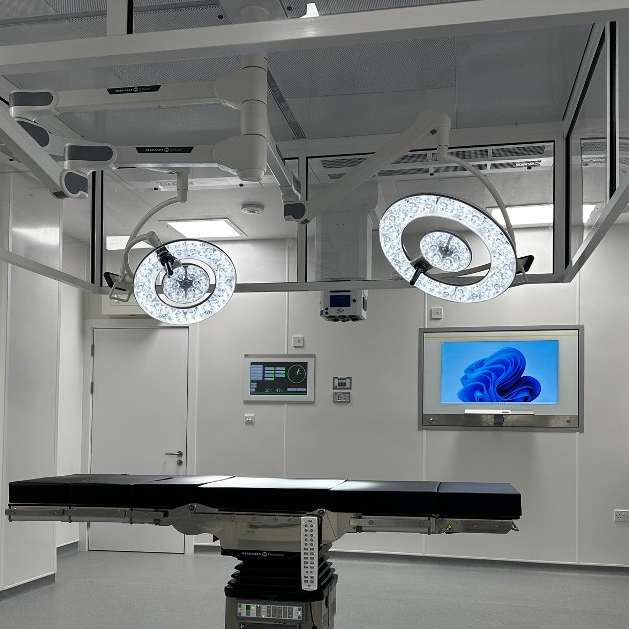
Application:Smart Home
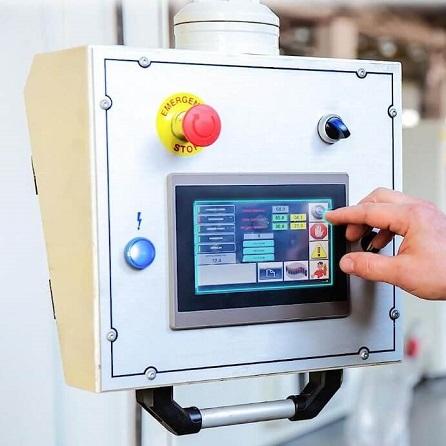
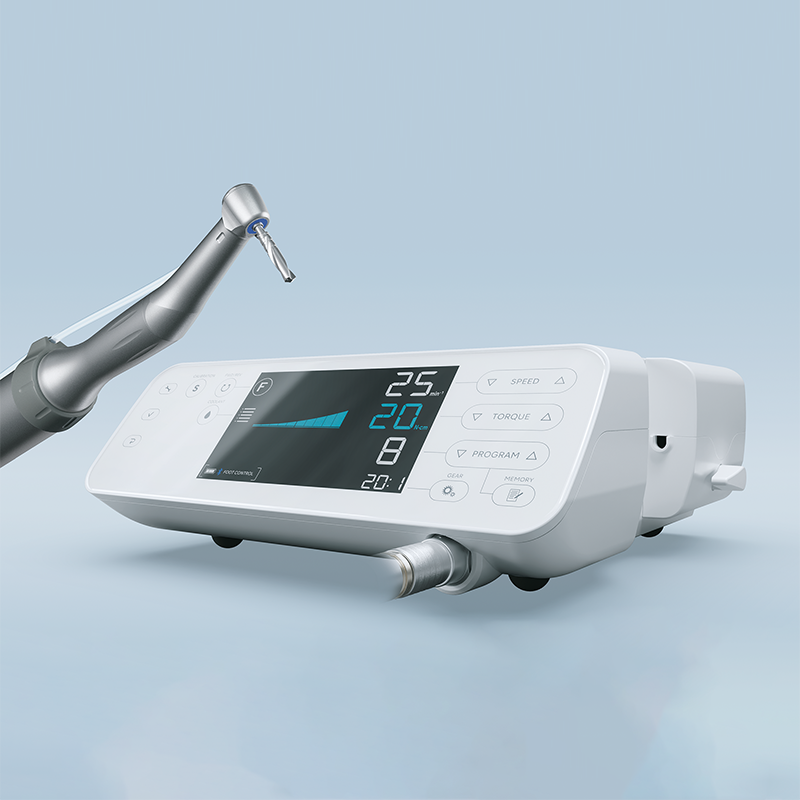
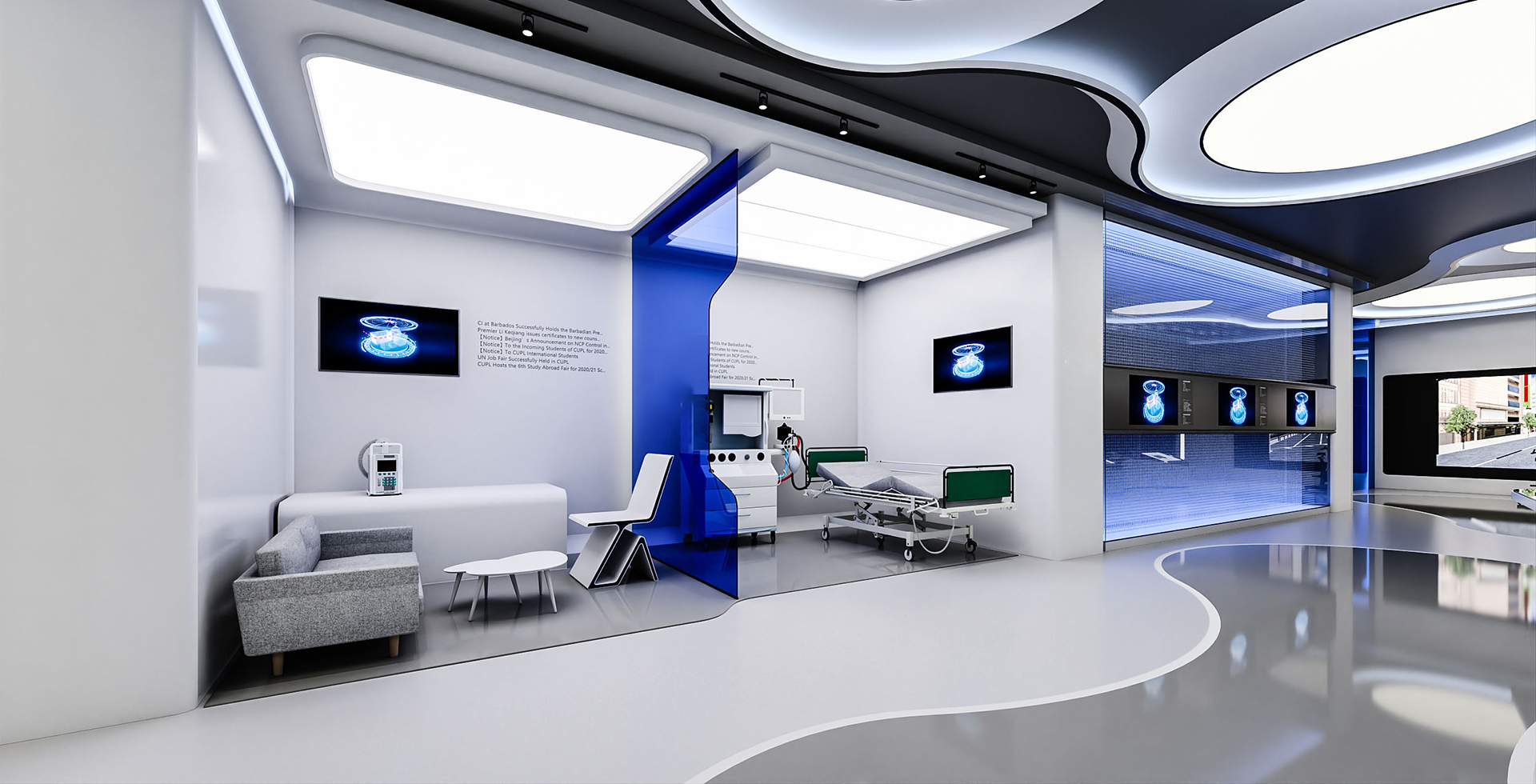
Application:Industrial Control,Medical Equipment
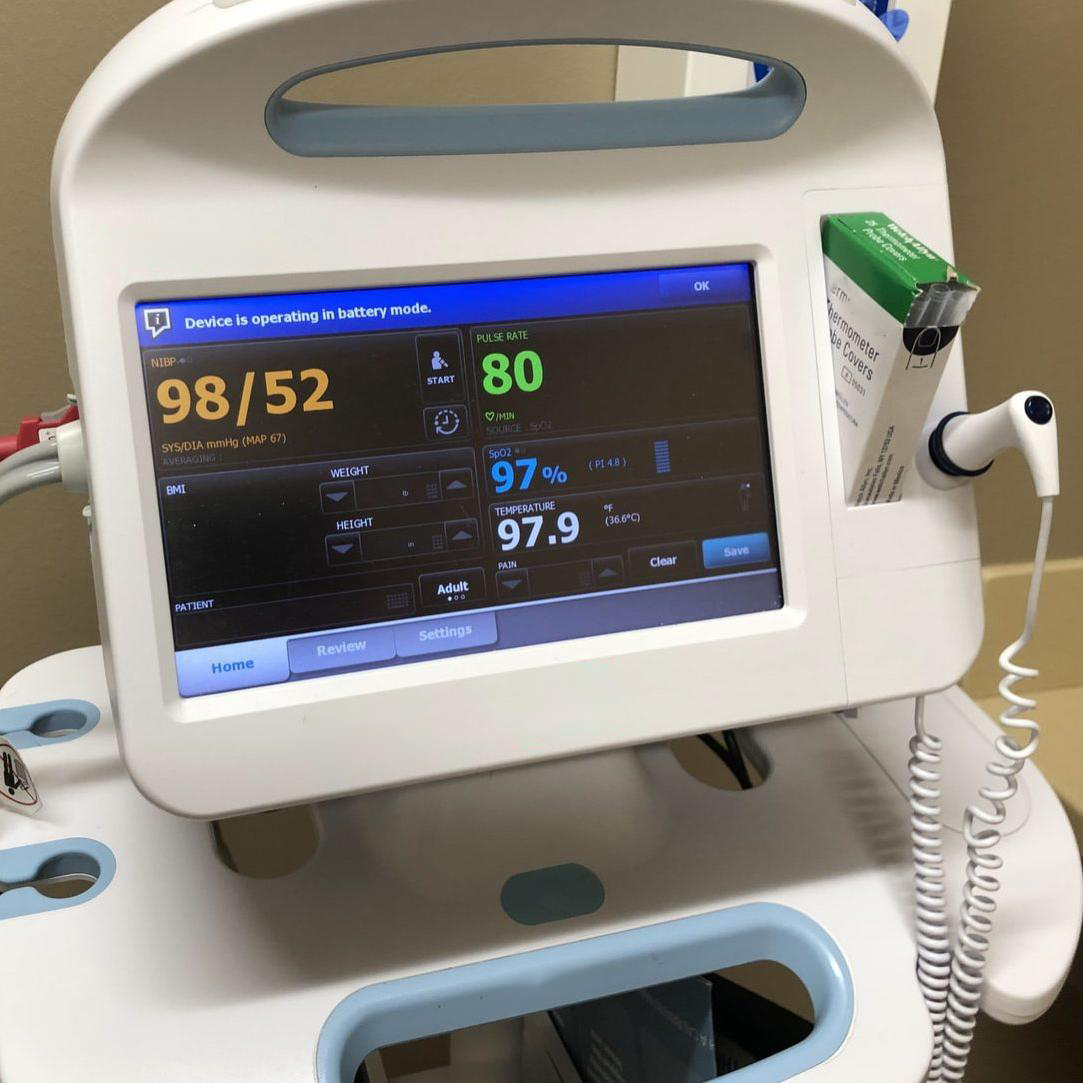
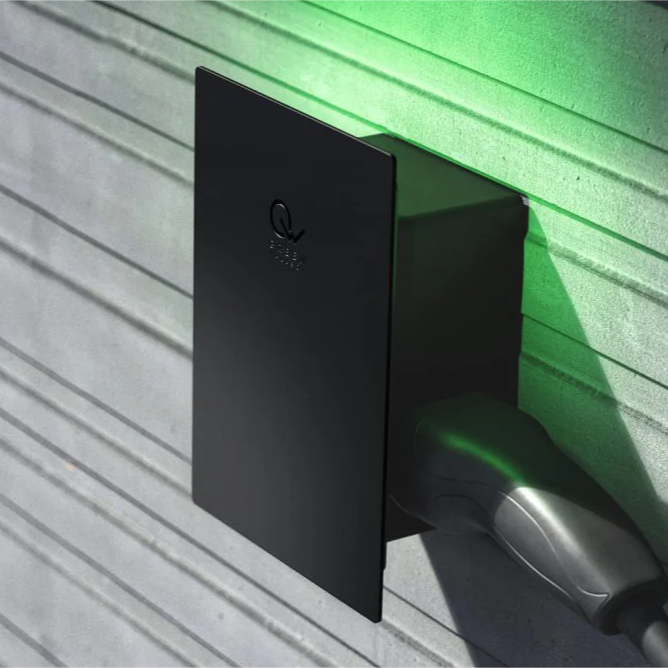
Application: New Energy, Medical Equipment
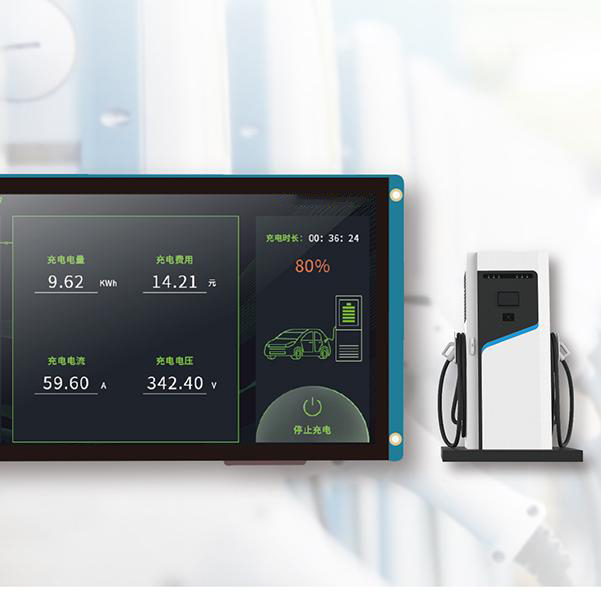
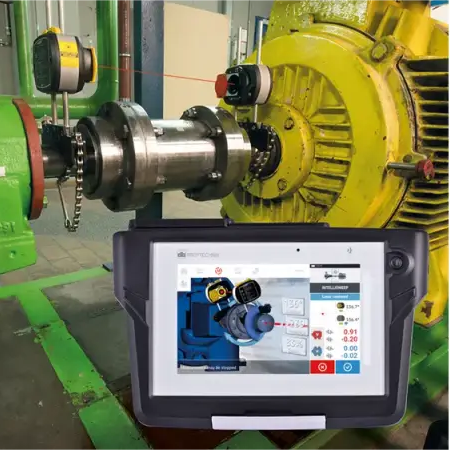
Application: New Energy, Industrial Control
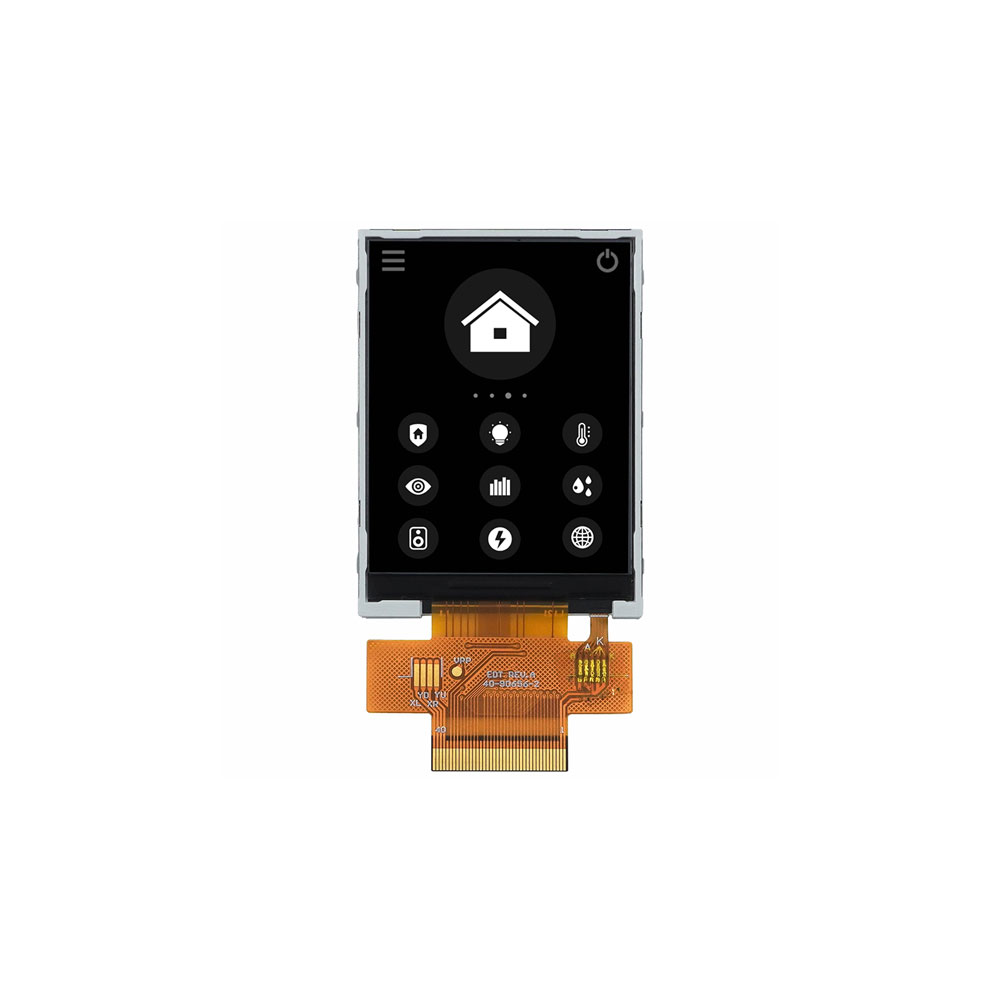
DisplaySize:2.4inchResolution:240×320(RGB)OutlineD···
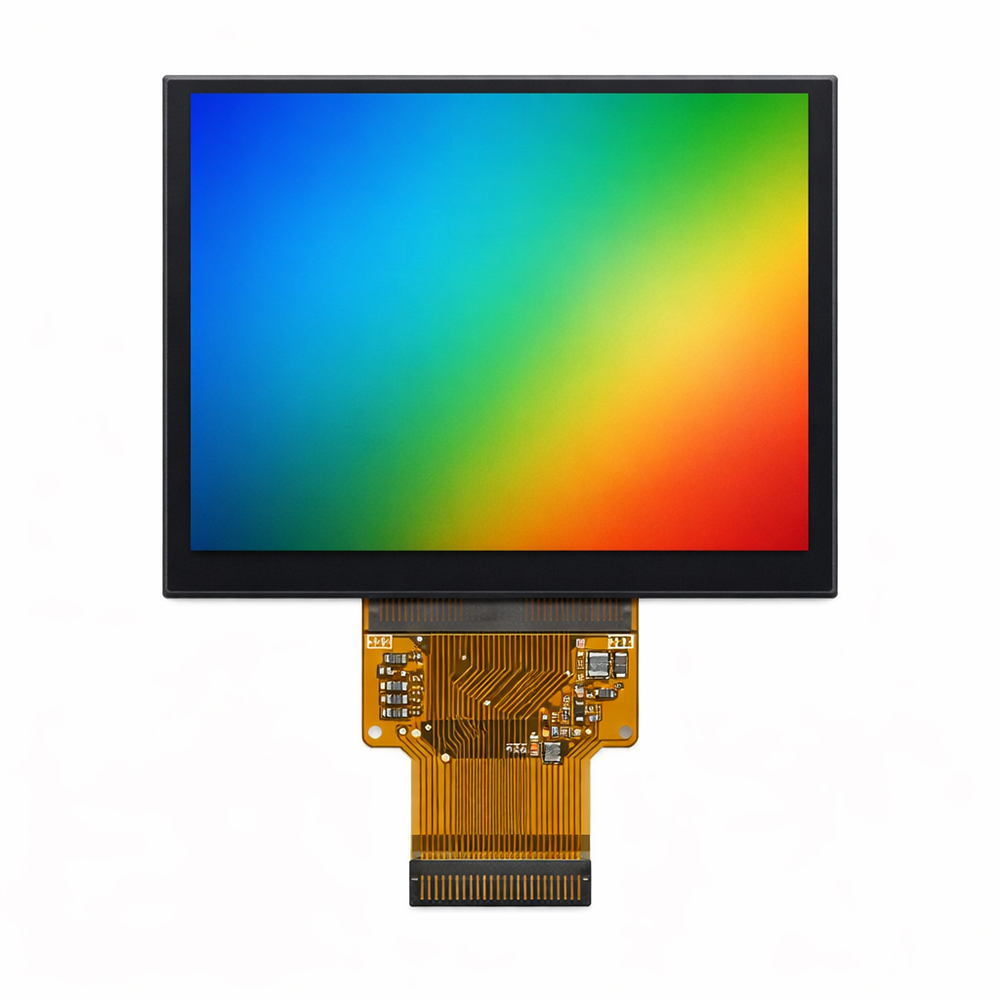
Display Type: Color TFT LCDResolution: Custom Reso···
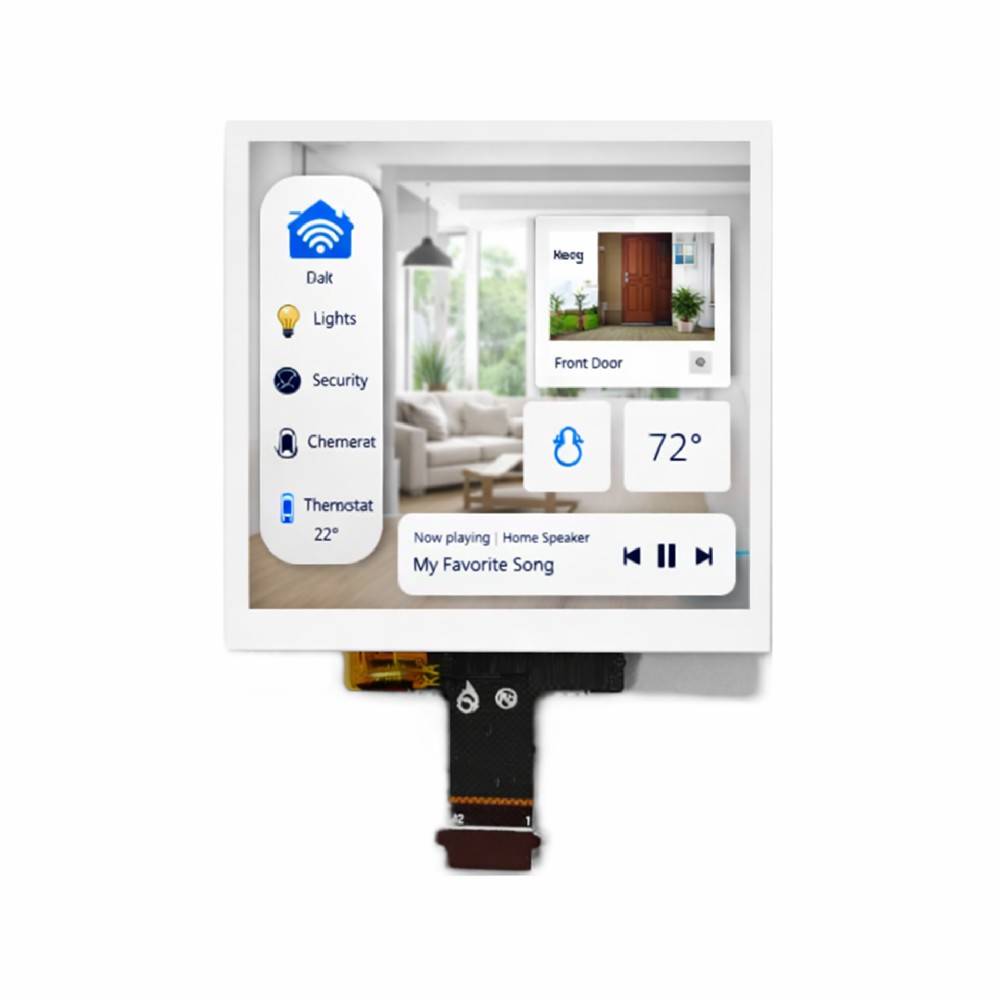
CustomSizes:1–21inchDisplayMode:IPSDisplayColors:2···
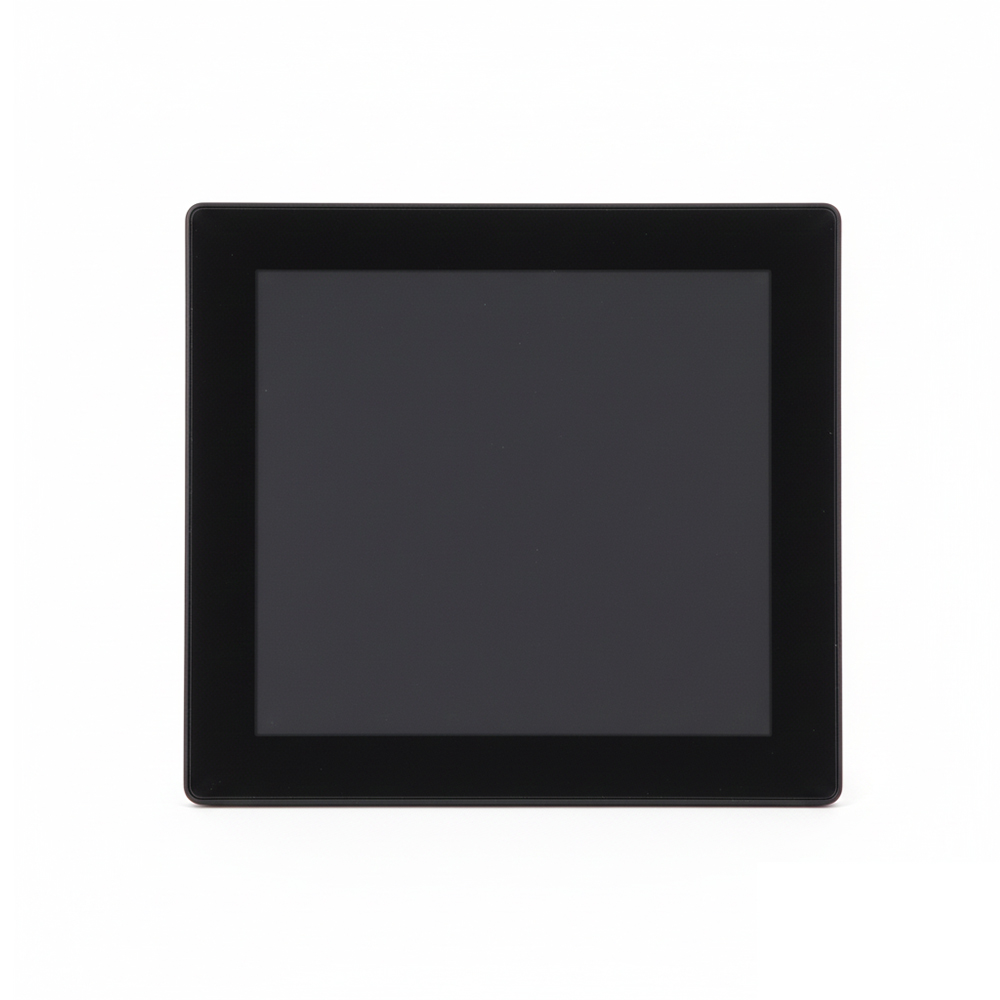
Product Name:Industrial Anti-Glare LCD Module (AG ···
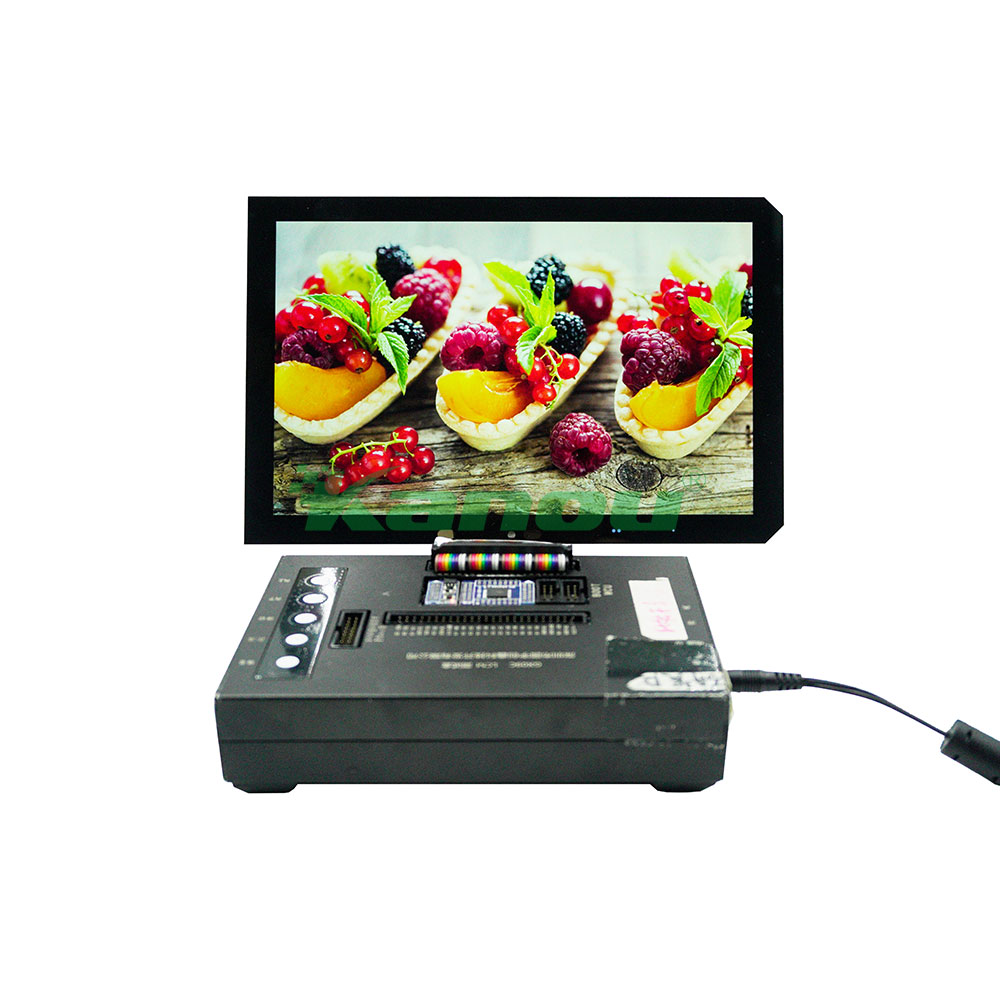
Custom Outdoor Touch Screen Modules from a Reliabl···


• Standard & custom sizes
• 2.4–55 inch available
• Landscape & portrait display
• Long-term supply support

• LCD panel customization
• Backlight customization
• Custom FPC design
• Custom structure design

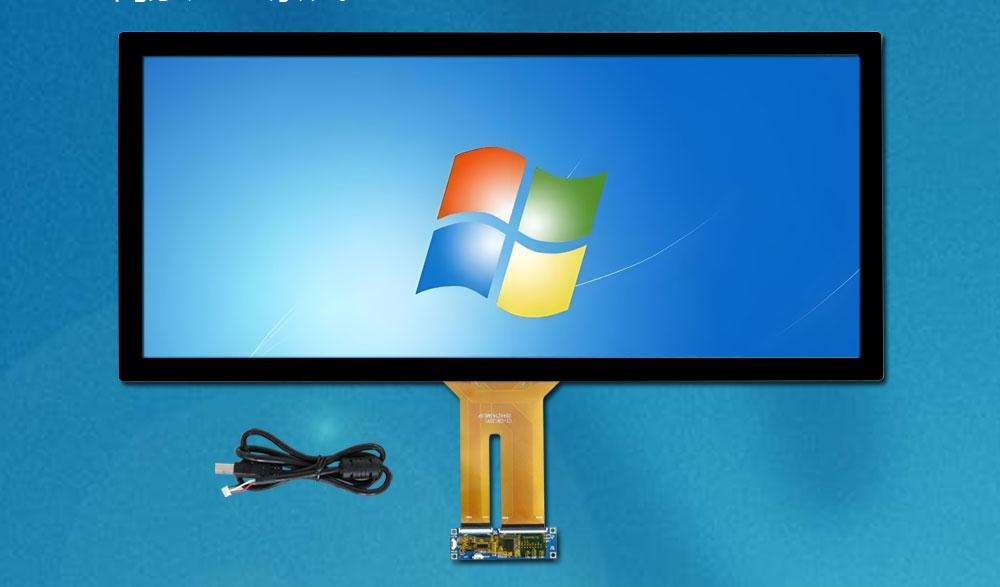
• Capacitive touch screen
• Resistive touch screen
• Multi-touch support
• Finger, glove & stylus touch

• Custom shape cutting
• Logo & color printing
• Thickness customization
• AG / AR / AF options

• LOCA bonding
• OCA bonding
• OCR bonding
• TFT full lamination

• RGB / MIPI / LVDS / EDP
• HDMI / Type-C / USB
• TTL / RS232 / RS485
• Modbus protocol support

• Anti-Glare
• Anti-Reflective
• Anti-Fingerprint
• Anti-Fog

• Waterproof touch support
• Salt spray resistance
• ESD / EMC design
• Industrial-grade reliability

• GG / GFF touch structure
• Ultra-narrow border support
• Custom sensor design
• Custom module assembly

• TFT LCD module assembly
• Touch panel integration
• Cover glass assembly
• Complete solution
Do you have any other issues affecting production?
Tell us what you need, KANOU® provides solutions for you for free.


More

More

More

More


Supports production of multiple models and specifications while accommodating small-batch orders, providing flexible solutions for diverse customer needs.


Tailored display solutions designed to meet specific requirements, allowing for unique configurations, features, and specifications for each project.


KANOU is located in Singapore, with manufacturing facilities in China and business divisions in Japan and Vietnam, enabling us to respond quickly to customer needs.


We strictly adhere to the principles of Japanese manufacturing culture, ensuring a standard of quality that is distinctly Japanese.


Since 2005, our core team has been dedicated to the development of the display screen industry, preserving professional expertise while continuously exploring new technologies and capabilities.


Personalized project handling and fast response times from regional teams
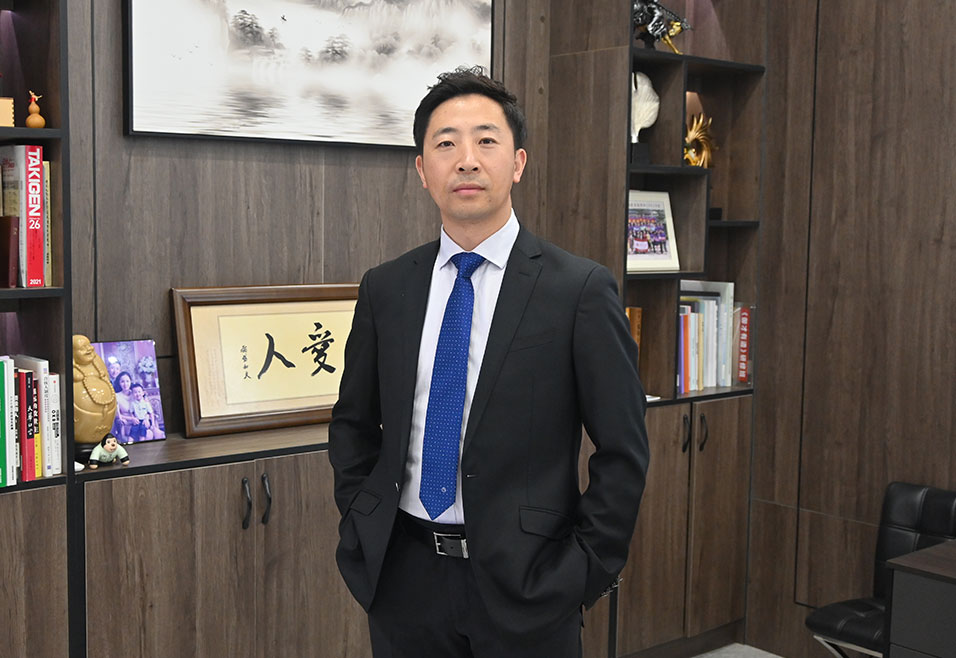

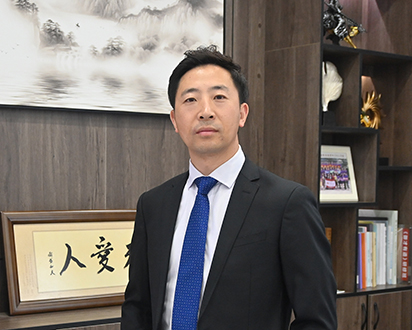
I specialize in custom touch screen modules and bring 27 years of experience and insight into the Japanese market.
I am leading the company toward global expansion, aiming to be a trusted touch screen module manufacturer worldwide.
In my spare time, I enjoy golf and connecting with like-minded friends and partners, while balancing work and family.
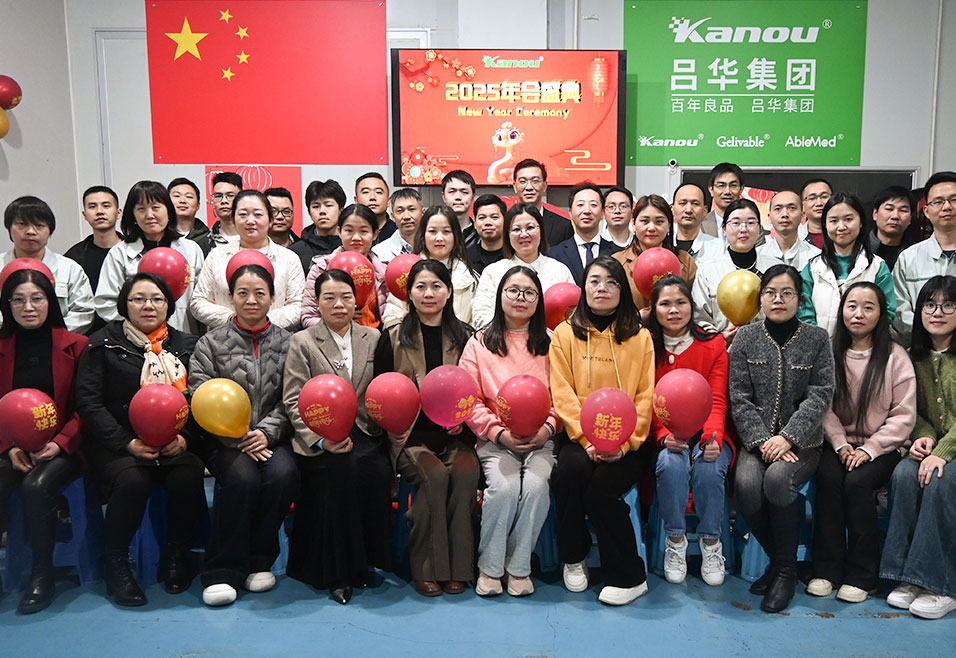

Mission: To eliminate glare on screens worldwide.
Vision: To become a world-leading provider of anti-glare screen solutions.
Core Values: Respect Heaven and Care for People, Pursue Excellence.
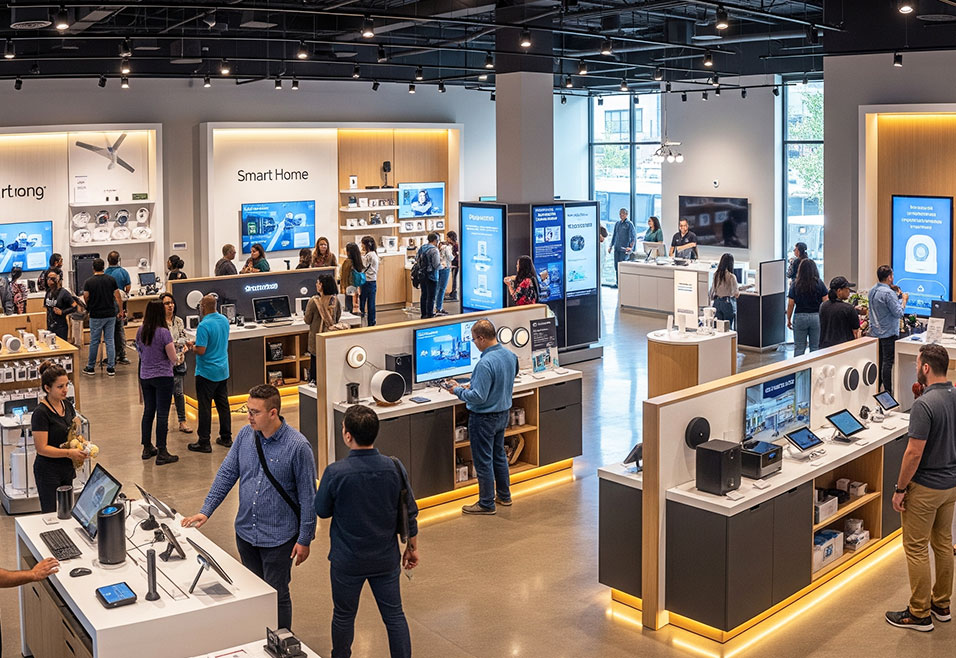

Enhance supply chain efficiency, enable flexible production, and ensure fast delivery and continuous supply.
Provide value-added services to reduce overall costs while optimizing procurement and manufacturing expenses.
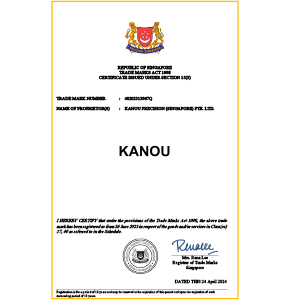
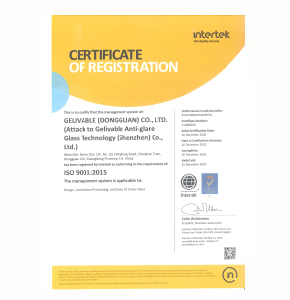
High-quality delivery with ISO9001 compliance, ensuring reliable products and stronger market edge.
 FOG&ACF Bonding Machine
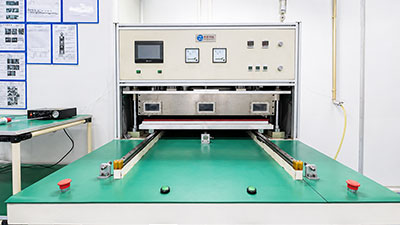 Cover Glass Lamination Machine
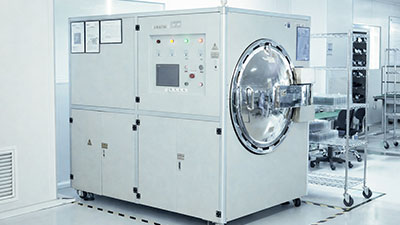 Hot Press Machine
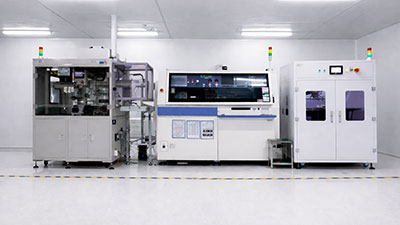 IC Bonding Machine
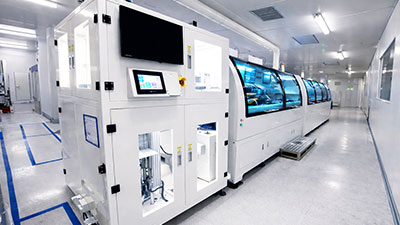 FOG Automatic Production Line
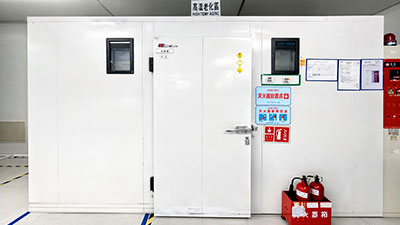 High Temperature Aging Equipment
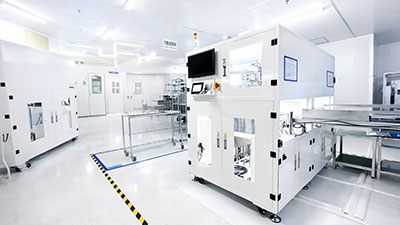 Automatic Assembly Equipment
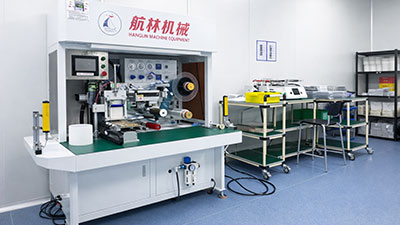 Laminating Machine
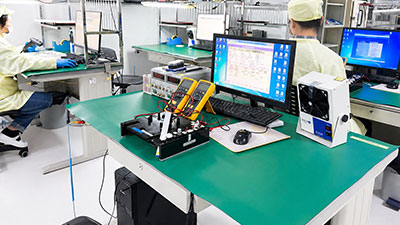 Display Test Fixture
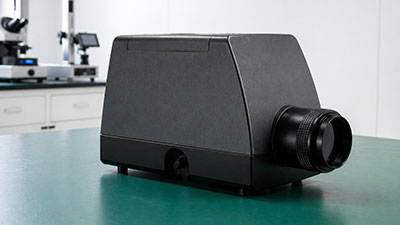 Luminance Colorimeter
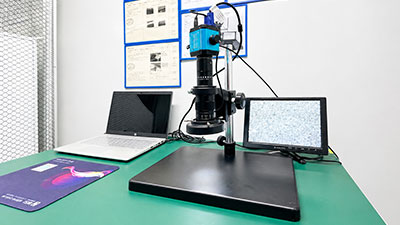 Electron Microscope
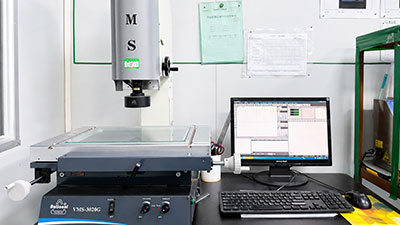 2.5D Measurement System
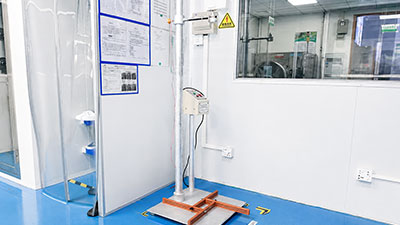 Falling Ball Impact Tester
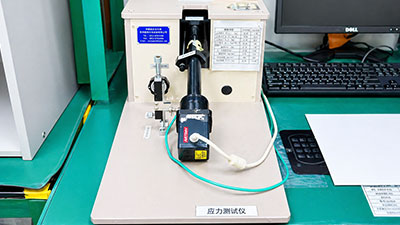 Stress Tester
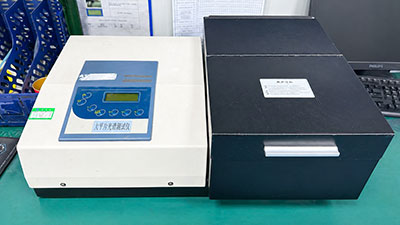 Spectrophotometer
KANOU assisted us with the production of highly complex glass panels made of Gorilla Glass 3. The complexity of the panels lay in their small size, the presence of internal holes, and transparent zones (for OLE···
 Neutron Code Limited

I would highly recommend KANOU. The end product they delivered us was excellent quality. They went above and beyond to make sure all the details were resolved prior to proceeding with production. The level of c···
 Derek Grozinger
KANOU is being introduced to one of the Top companies and the quality of the products and service were exceptional.I can say without any hesitation KANOU is one of the best suppliers we have worked with and we ···
 Anonymous
We have finished all inspection of the goods that we received two days ago. The inspection results are completely free of problem, and include the angle of inverted, and the details of the remark are fully proc···
 Khalid Al Mansoori
Since we have cooperated with your company, the load in my factory has been greatly relieved. Although our requirements are very demanding, you always do your best to make a positive response. Thanks for your g···
 Eimann Henan
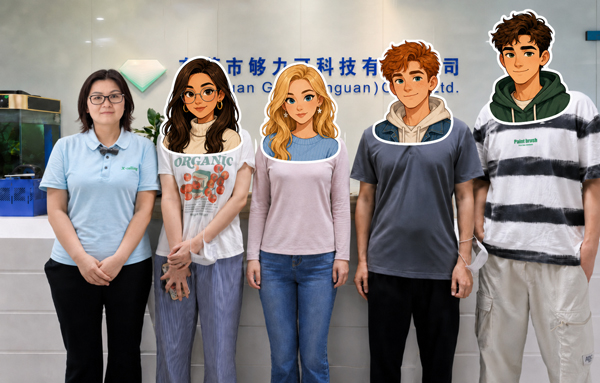
This morning, four R&D technical specialists from Schneider Electric visited Gelivable for an in-depth technical exchange and business discussion focused on wood-grain film glass cover panel products.During the meeting, Gelivable provided a detailed introduction to the product’s process feature

Introduction: Why Standard LCD Displays Are Becoming Less SuitableIn fields such as industrial control, medical devices, new energy, and smart terminals, LCD displays are no longer simple information output components. They have become a critical part of device functionality, reliability, and user i
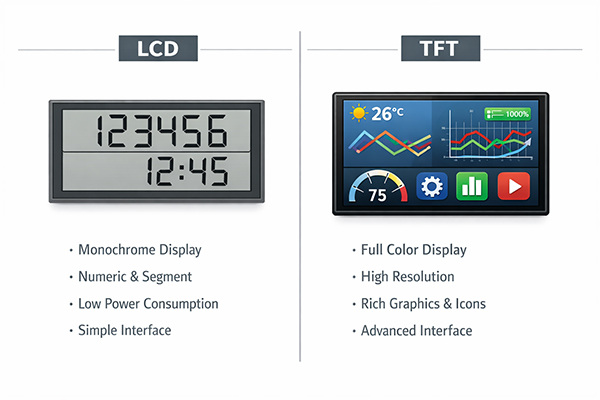
Display Selection AnalysisIf only display quality is considered, the answer seems obvious—TFT is clearer, has richer colors, and a more modern interface. However, in industrial applications, display quality is often not the most important factor.In industrial equipment, the core of display screen s

Our website does not support direct ordering at present. Please select the product and request a quote by email or phone. Then place the order and make payment according to the conditions agreed by both parties.
E-mail:raymond.chew@kanouprecision.com
Add:12 Woodlands Square #09-76,Woods Square Tower 1,Singapore 737715
Factory Add:No.46 Hongfeng Road, Chang'an Town
Dongguan City, Guangdong, China